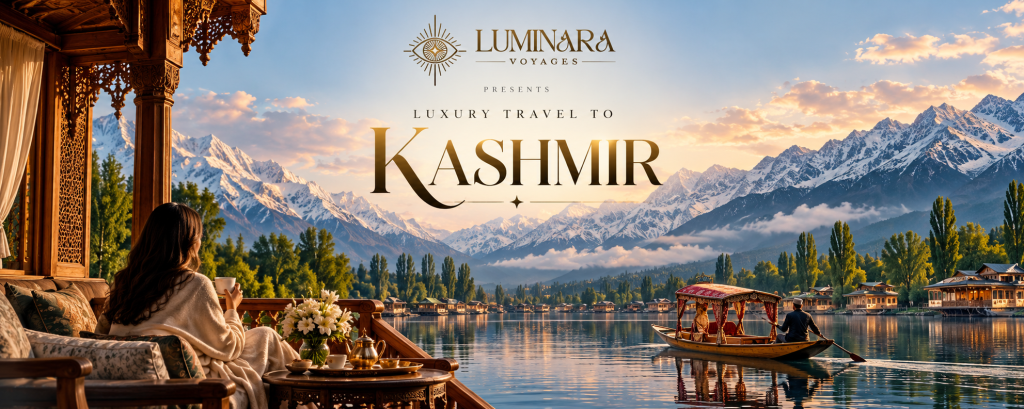
Set against the monumental theatre of the Himalayas, Kashmir possesses an elegance shaped by its landscapes, its living heritage and a deeply rooted culture of hospitality. In Srinagar, intricately carved houseboats rest upon the still waters of Dal Lake; beyond the city, cedar forests give way to alpine meadows, glacial valleys and mountain horizons that seem almost untouched by time. Here, luxury finds its expression in the extraordinary setting, the intimacy of a lakeside retreat, the artistry of Kashmiri craftsmanship and the privilege of experiencing the valley at an unhurried pace.
For travellers seeking a more considered way to experience the Himalayas, a Kashmir tour offers a rare balance of natural grandeur, living heritage and deeply restorative stillness. A day may begin beside the water in Srinagar, continue through the formal beauty of Mughal gardens, and end in a houseboat whose carved walnut interiors recall generations of Kashmiri craftsmanship. Beyond the city, the scenery opens into alpine meadows, forested valleys, glacial streams and high mountain horizons.
At Luminara Voyages, Kashmir is best approached not as a checklist of attractions, but as a collection of distinct landscapes and experiences. Srinagar brings history and lakeside elegance; Gulmarg introduces the drama of the high mountains; Pahalgam moves at the rhythm of the river; and Sonamarg offers a more elemental encounter with the Himalayas. Quieter destinations such as Yusmarg, Doodhpathri, Gurez and the springs of south Kashmir reward travellers who have time to venture beyond the familiar circuit.
Srinagar — Lakeside Elegance and Living Heritage
Srinagar reveals Kashmir through a composition of still waters, imperial gardens and centuries-old craftsmanship. Along the banks of the Jhelum, the city’s historic architecture preserves the legacy of successive cultural influences, while Dal Lake lends its surroundings an almost ethereal sense of tranquillity. From the terraced grandeur of the Mughal gardens to the intricate walnut-wood interiors of traditional houseboats, Srinagar offers a rare convergence of heritage, landscape and understated refinement—an experience best appreciated when time is allowed to unfold without haste.
Dal Lake and the Art of Slowing Down
A private shikara ride is among the most evocative ways to encounter Dal Lake. Glide past floating gardens, waterside homes and small boats carrying flowers or produce, while the surrounding mountains shift colour with the light. Early morning is especially atmospheric, when the water can appear almost still and the city is only beginning to stir. A sunset outing offers a different mood, with the lake reflecting warm tones from the sky.
For a memorable stay, consider a well-maintained heritage houseboat with carefully carved woodwork, comfortable private rooms and views across the water. Houseboats vary considerably in age, service and facilities, so confirm the precise property, room category, heating, meals, transfers and location before booking. Travellers who prefer a conventional hotel may choose a luxury property in Srinagar and arrange lake experiences privately.
Nigeen Lake — A Quieter Waterside Retreat
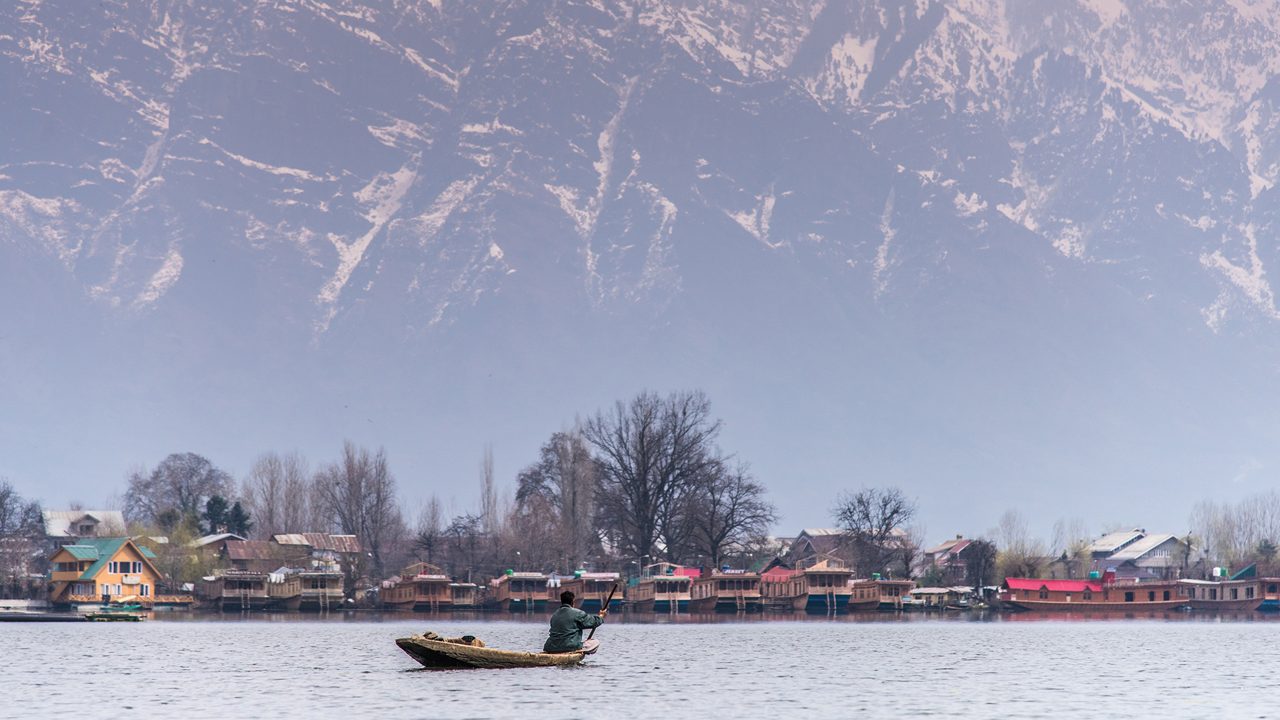
Often chosen by travellers who prefer a gentler atmosphere, Nigeen Lake offers a more secluded alternative to the busier parts of Dal Lake. Its tree-lined edges and slower pace lend themselves to unhurried boat rides, reading beside the water and mornings without a packed schedule. A stay here can be especially appealing for couples or visitors who value privacy and a sense of retreat.
The Mughal Gardens
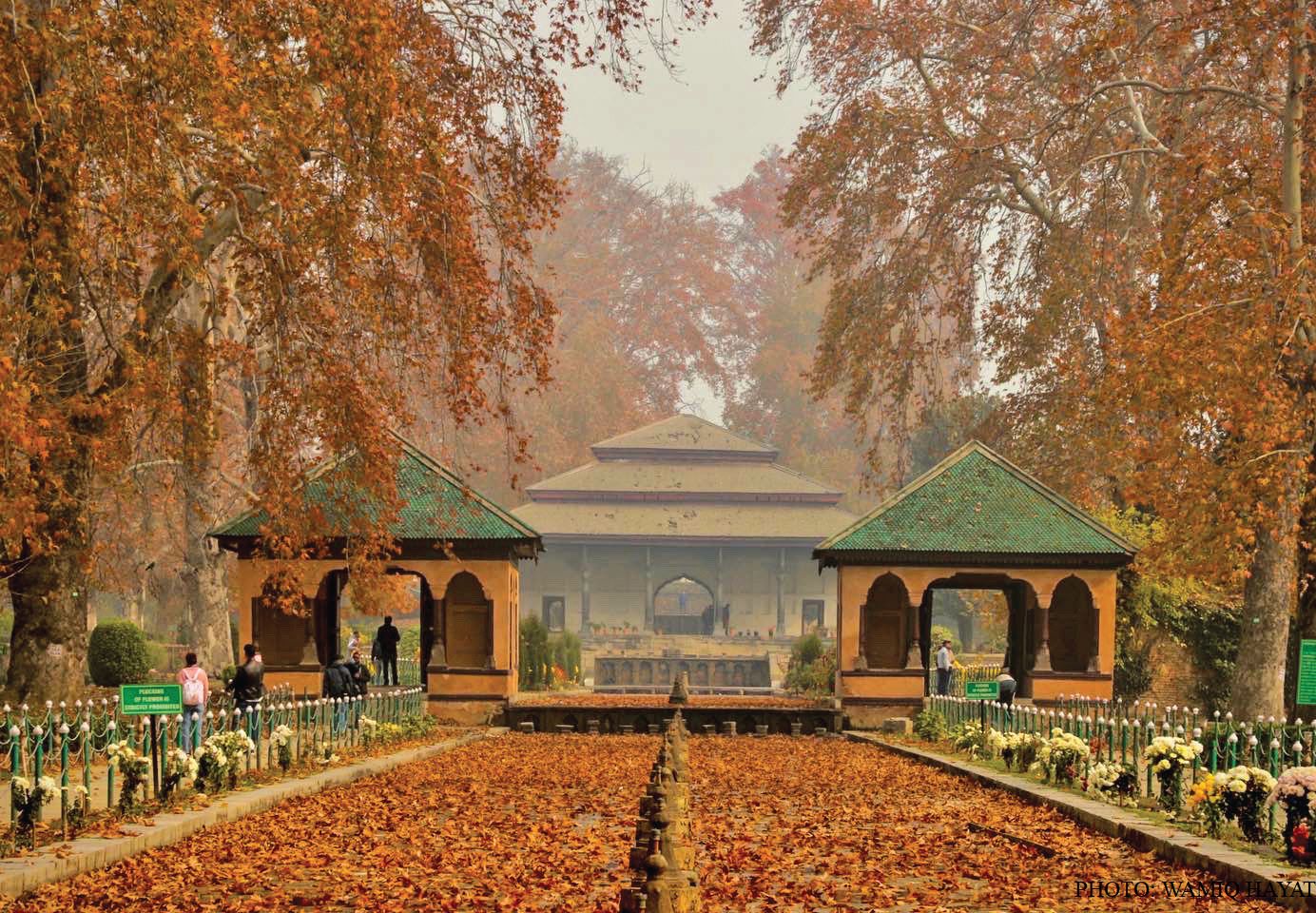
Srinagar’s Mughal gardens bring geometry and horticulture into a dramatic natural setting. Nishat Bagh rises in terraces above Dal Lake, with long water channels and framed views of the mountains. Shalimar Bagh is associated with the imperial garden tradition and offers a more formal sense of history. Chashme Shahi, known for its spring, is smaller and intimate, while Pari Mahal sits above the city with broad views over the lake and surrounding hills.
The gardens change character through the year: spring brings blossoms, summer deepens the greenery, and autumn introduces amber and russet tones. Visit at a comfortable pace, leaving room to appreciate the alignment of water, stone, trees and distant mountains rather than rushing from gate to gate.
Old Srinagar, Shrines and Craft Traditions
The older quarters reveal another side of the city. Jama Masjid Srinagar, with its courtyard and distinctive wooden columns, is an important architectural landmark. Khanqah-e-Moula, associated with the banks of the Jhelum, is notable for its traditional Kashmiri form. Hazratbal Shrine occupies a prominent position beside Dal Lake, while Shankaracharya Temple stands on a hill overlooking Srinagar. Visitors should dress respectfully, observe local customs and check access arrangements before visiting religious sites.
Srinagar is also a centre of Kashmiri craftsmanship. Pashmina weaving, papier-mâché, walnut-wood carving, carpet making and intricate embroidery reflect skills passed through generations. Visit reputable workshops or established retailers, ask about materials and provenance, and allow time to understand the work behind each piece. A considered purchase can become a meaningful reminder of the region rather than an incidental souvenir.
Gulmarg — Alpine Grandeur and Mountain Refinement
Gulmarg is a landscape of open meadows, conifer forests and mountains that seem to rise directly from the edge of the town. In summer, the slopes turn green and wildflowers soften the scenery; in winter, snowfall transforms the area into one of the region’s best-known destinations for snow experiences and skiing. Its appeal is not confined to one season: Gulmarg rewards visitors who choose activities to suit the conditions and allow the mountains to set the pace.
The Gulmarg Gondola
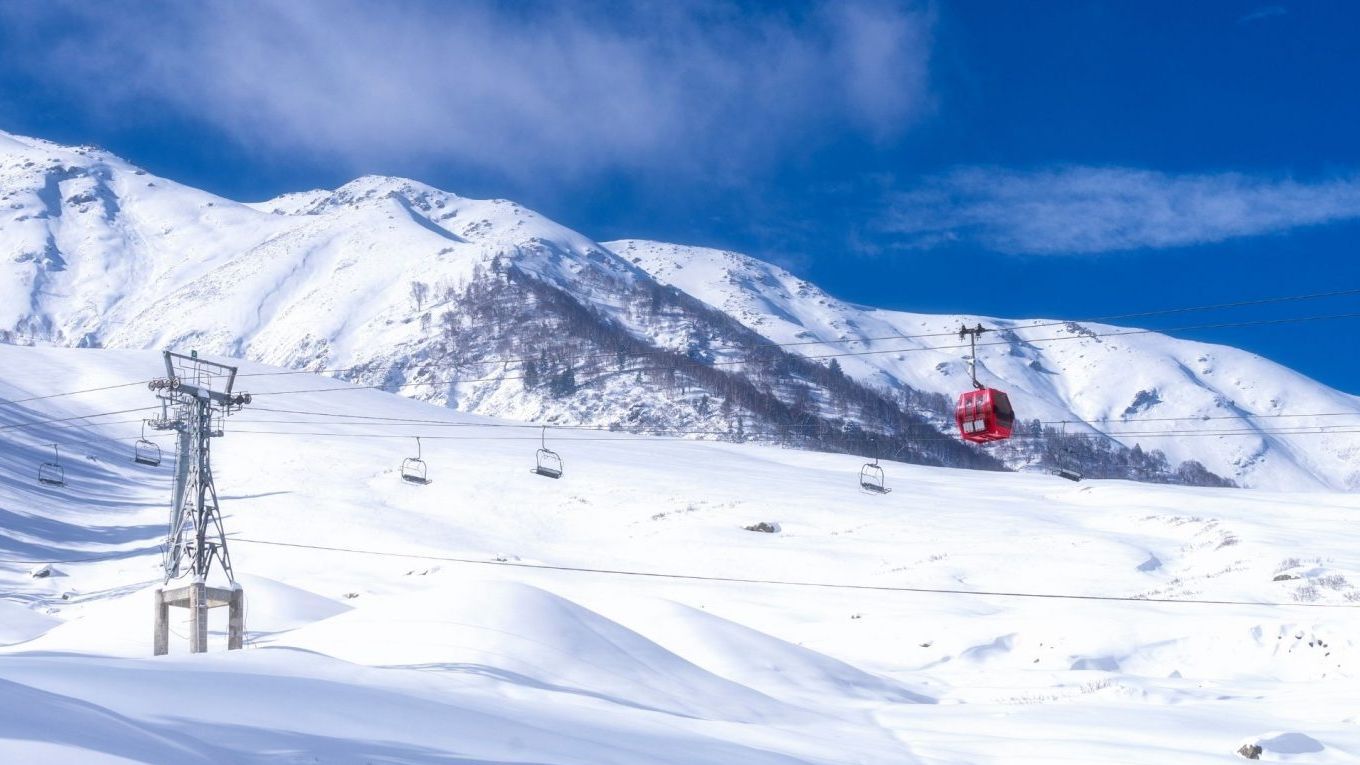
The Gulmarg Gondola provides access to elevated mountain scenery, with views that can extend across forested slopes and snow-covered peaks on clear days. Weather, wind and operational decisions can affect services, so check current operating status and ticket arrangements in advance. Higher elevations can feel markedly colder than the town below; layered clothing, sturdy footwear and time to acclimatise make the experience more comfortable.
Winter Sports and Summer Walks
During suitable winter conditions, Gulmarg attracts skiers and snowboarders, from beginners using designated learning areas to experienced visitors seeking more challenging terrain with qualified local guidance. Equipment, instruction and safety arrangements should be booked through reputable providers. In warmer months, gentle walks, scenic viewpoints and meadow excursions take centre stage. The best day here may be a simple one: a mountain view, a long lunch and an afternoon with no urgent plans.
Where to Stay in Gulmarg
Gulmarg’s premium accommodation ranges from full-service hotels to intimate mountain retreats. When selecting a property, look beyond the room photographs: confirm heating, dining arrangements, access during snowfall, transfer logistics and whether the property is convenient for your intended activities. Winter stays benefit from careful planning, while summer visits can prioritise views, gardens and easy access to walking routes.
Pahalgam — Riverside Calm and Pine-Forest Valleys
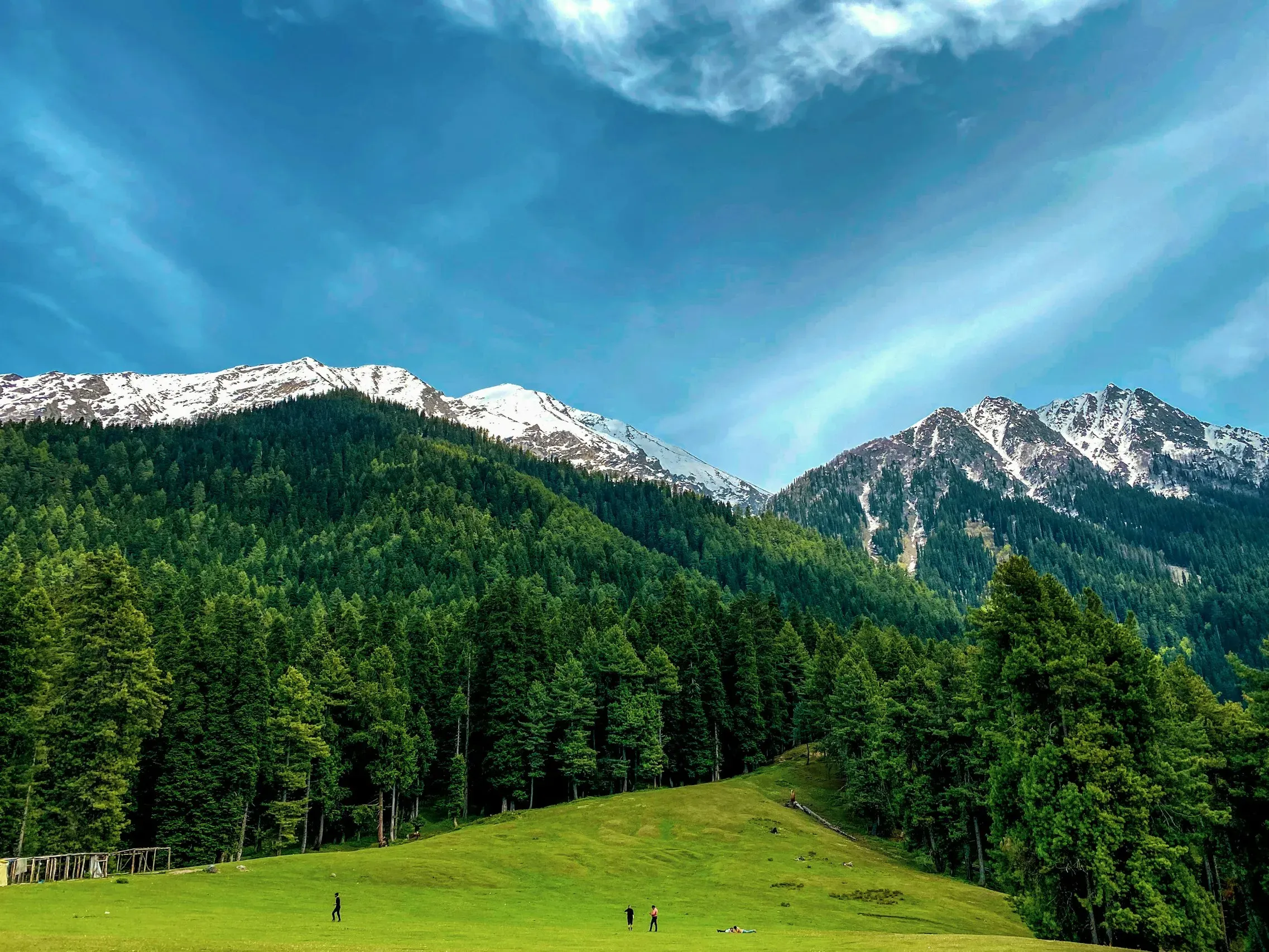
Pahalgam follows a different rhythm from Gulmarg. Set amid wooded slopes and the waters of the Lidder River, it is a place for long views, cool air and days shaped by the outdoors. The town makes an excellent base for exploring nearby valleys, though travel times can vary with traffic, road conditions and local transport arrangements.
Aru Valley
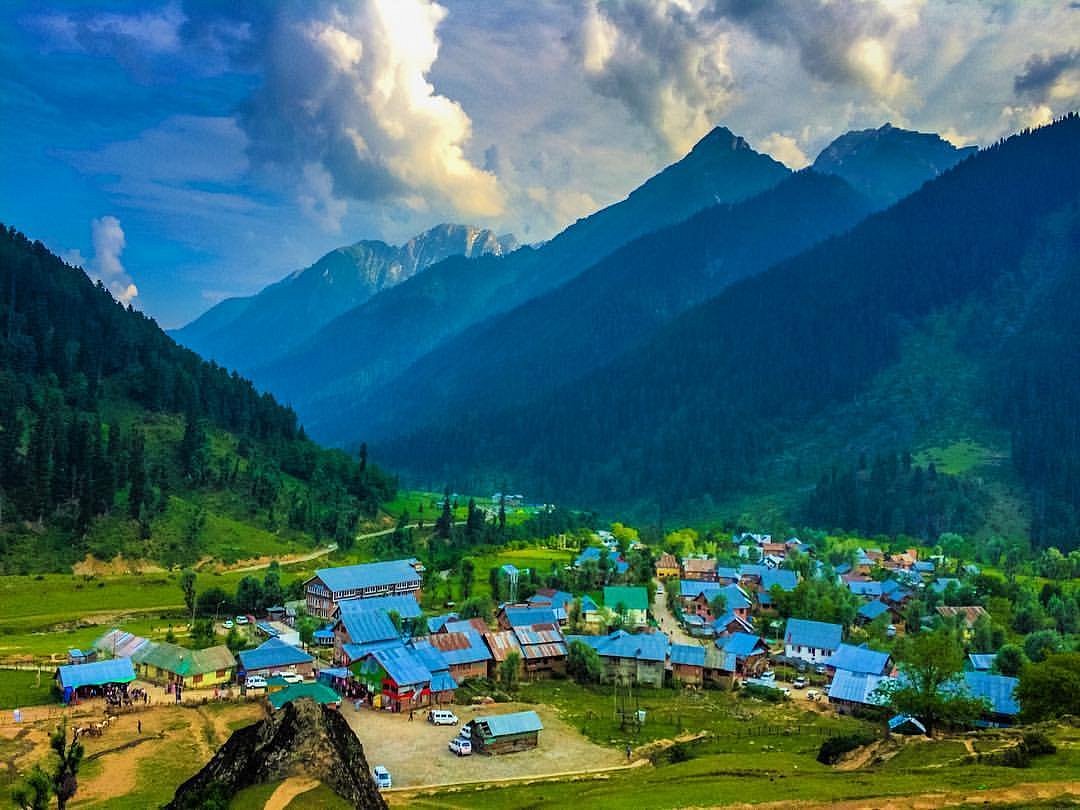
Aru Valley is known for its broad mountain scenery, meadows and access to trekking routes. It is particularly appealing to travellers who enjoy walking, photography and landscapes that feel open rather than heavily developed. Some routes require a guide, suitable equipment or additional permissions; choose an outing that matches your fitness and the conditions on the day.
Betaab Valley
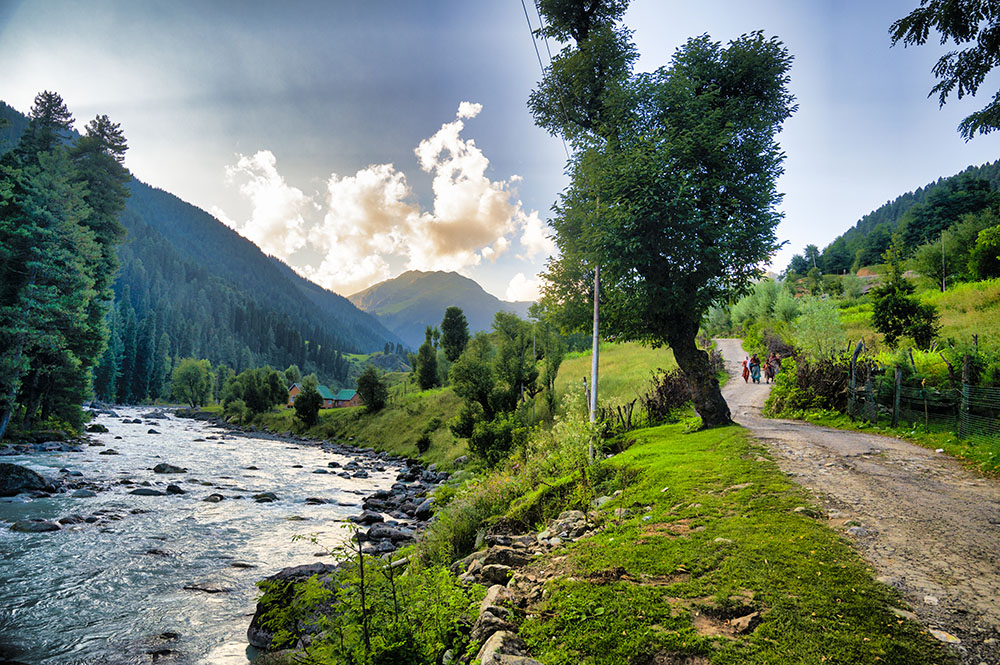
Betaab Valley combines green slopes, a mountain stream and dramatic surrounding peaks. It is a popular scenic stop, especially in the warmer months when the landscape is vivid and the riverbanks invite a leisurely pause. Arrive early where possible, respect designated areas and avoid entering fast-flowing water or unstable river edges for photographs.
Chandanwari and the Lidder River
The route towards Chandanwari offers changing mountain views and serves as an important point on the Amarnath pilgrimage route during the relevant season. Access can be subject to local arrangements and traffic restrictions. Around Pahalgam itself, time beside the Lidder River offers a quieter pleasure: the sound of water over stones, forested hills and the chance to enjoy the landscape without an elaborate itinerary.
Pahalgam Stays and Slow Travel
Choose accommodation according to the experience you want. Riverside properties provide proximity to the water and open scenery; forest-edge retreats offer a more secluded atmosphere; central hotels may simplify access to restaurants and local transport. Ask about heating, river access, seasonal facilities and the exact distance to the areas you plan to visit. Pahalgam is especially rewarding when two or more nights are reserved for it.
Sonamarg — The Meadow of Gold
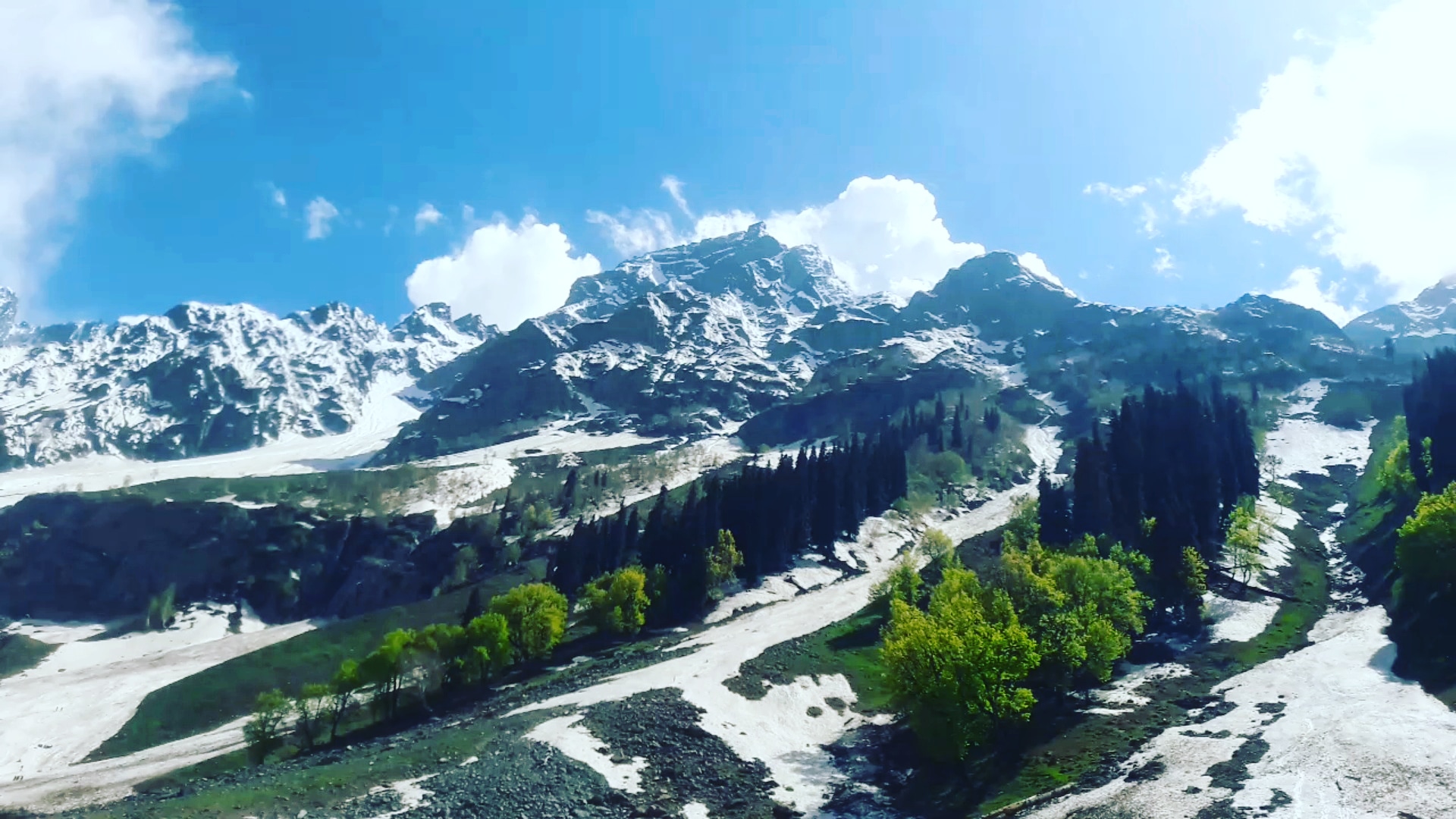
Sonamarg feels more elemental than the settled valleys further south. The Sindh River moves through a wide mountain corridor, while snowfields, alpine slopes and glacier-fed streams define the horizon. In the warmer months, the region opens into meadows and trekking country; in colder periods, weather and road conditions can limit access. Sonamarg is best planned around current conditions rather than fixed expectations.
Thajiwas Glacier and the Sindh River
Thajiwas is one of Sonamarg’s best-known excursions, appreciated for its snowy landscape and mountain setting. Depending on conditions, reaching the area may involve a walk or locally arranged transport; confirm the available options and safety guidance before setting out. The Sindh River adds another dimension to the valley, with its clear, fast-moving water and dramatic banks. Stay clear of unstable edges and never assume a river is safe to enter.
A Gateway to High-Mountain Landscapes
Sonamarg is also associated with longer trekking routes and journeys towards high-altitude lakes. These are not casual sightseeing excursions: weather, fitness, equipment, guides and route conditions matter. For a luxury itinerary, a well-planned scenic day with a trusted local operator may be preferable to attempting a demanding route without preparation.
Doodhpathri — A Meadow Framed by Forests
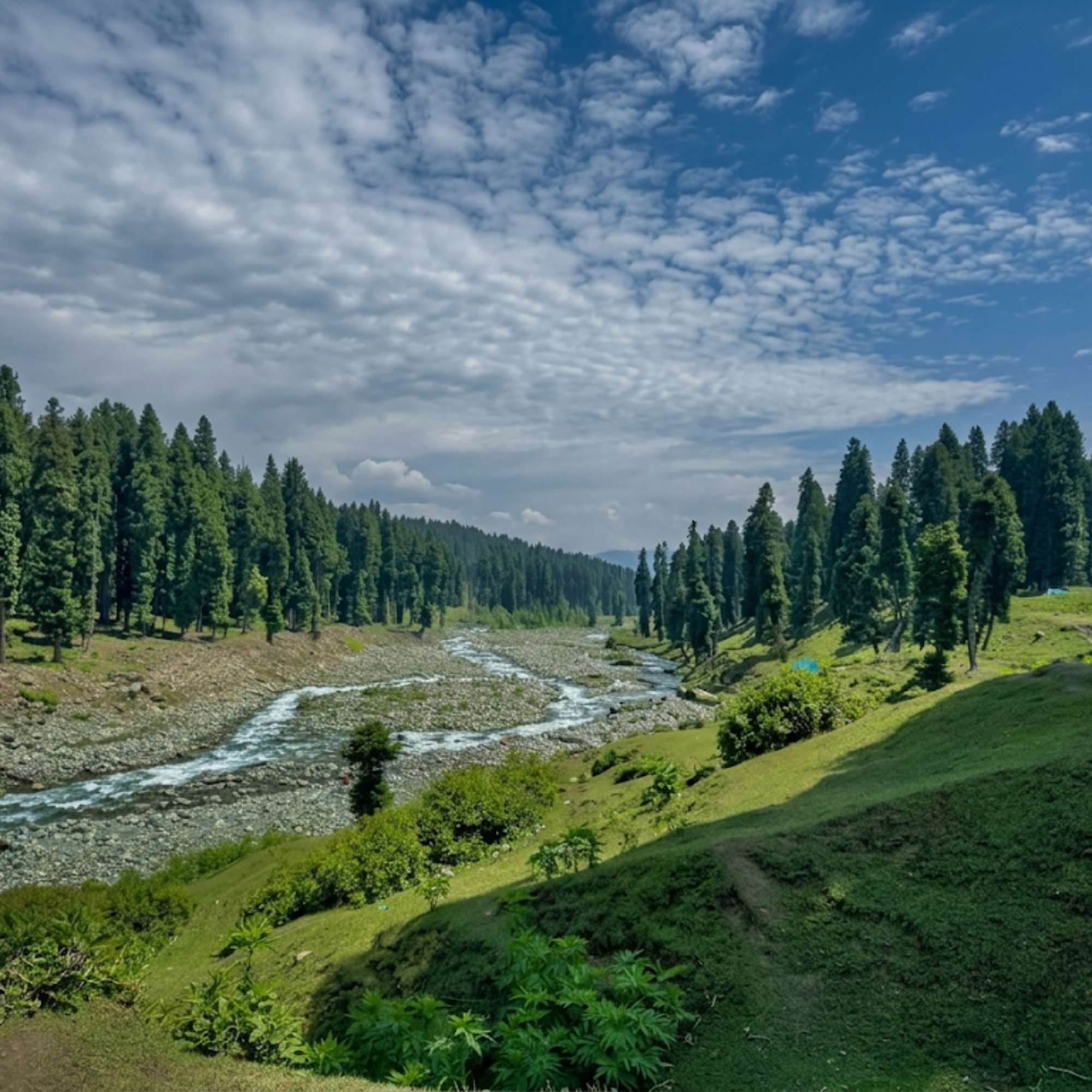
Doodhpathri, in the Budgam district, offers a broad meadow setting with a stream running through green grass and pine-covered hills beyond. Its name is often translated as ‘Valley of Milk’, associated with the milky appearance of the flowing water in local descriptions. The appeal lies in open space, fresh air and the feeling of being removed from the busier tourist circuit.
A visit works well as a scenic excursion from Srinagar, provided road and weather conditions are suitable. Facilities may be more limited than in established resort towns, so carry essentials, arrange transport in advance and avoid leaving litter behind. Doodhpathri is best enjoyed slowly, with time for a gentle walk and a picnic arranged responsibly rather than an overfilled schedule.
Yusmarg — Quiet Meadows and the Pir Panjal Range
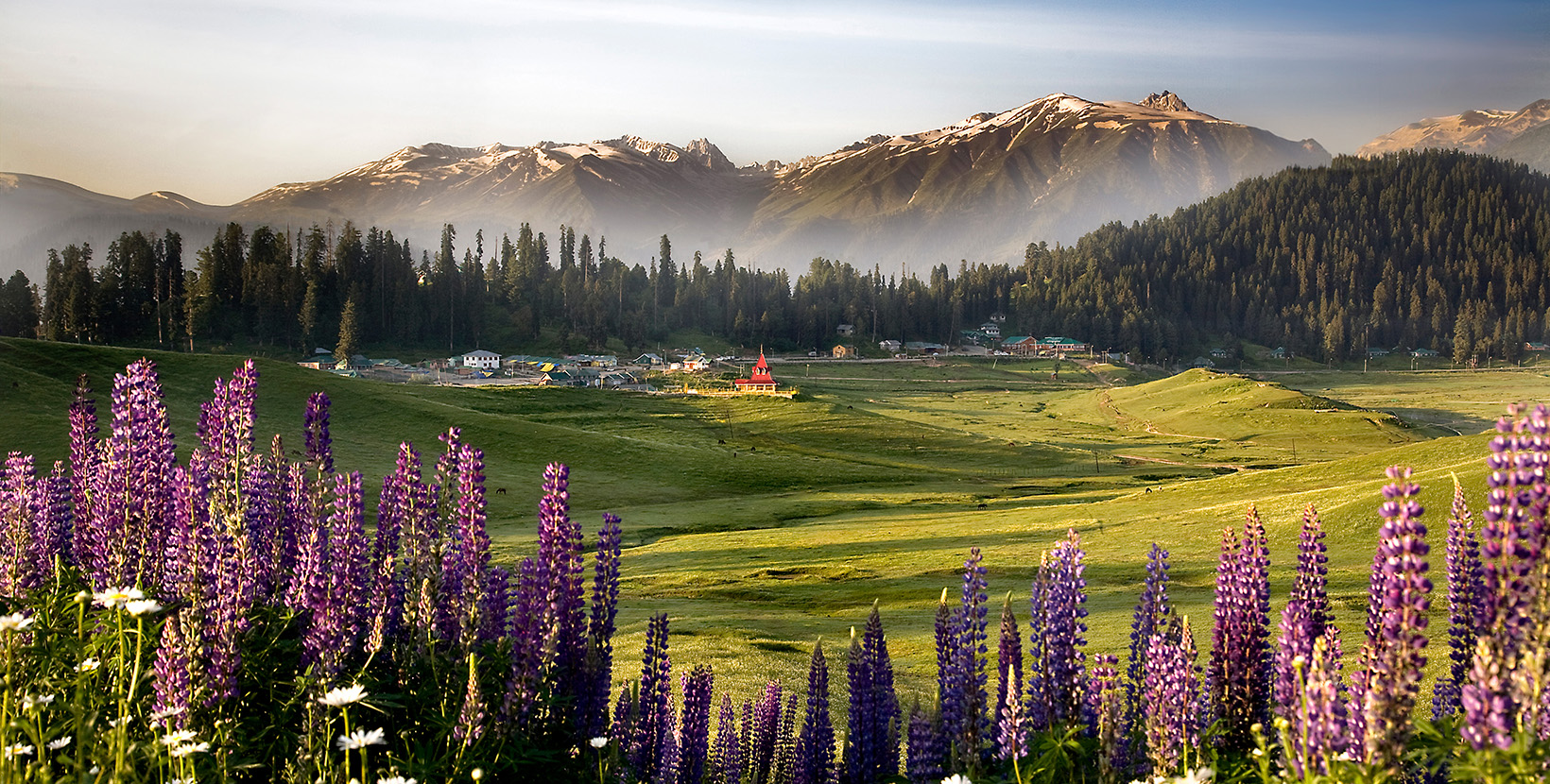
Yusmarg is a peaceful meadow destination surrounded by pine and fir forests, with the Pir Panjal range providing a striking backdrop. It appeals to travellers who value space, quiet and a less commercialised landscape. Depending on the season, visitors may enjoy walks, locally arranged pony rides or longer excursions with suitable guidance.
The nearby Doodh Ganga stream and routes towards Sang-e-Safed Valley add to the area’s appeal, although longer walks should be planned with attention to weather, route conditions and personal fitness. Yusmarg makes a rewarding day trip, but travellers seeking a slower journey can consider an overnight stay where suitable accommodation is available and confirmed.
Gurez Valley — A Remote Himalayan World
For travellers with more time and a taste for remote landscapes, Gurez Valley offers a striking contrast to the familiar Kashmir circuit. The Kishanganga River winds through a high valley framed by rugged mountains, while villages and traditional wooden homes reveal a distinctive regional character. The landscape feels expansive and unhurried, with fewer conventional resort-style facilities than Srinagar or Gulmarg.
Gurez requires more planning than a standard day excursion. Road access is seasonal and weather-dependent, journey times can be substantial, and local permissions or security-related restrictions may apply. Confirm current access, accommodation, communications coverage and transport with reliable local sources before including it in an itinerary. For the right traveller, its appeal lies in the journey itself as much as the destination.
Tulail and the Kishanganga Landscape
Further into the region, Tulail is known for small villages, wooden architecture and dramatic mountain scenery. It is suited to travellers who are comfortable with basic infrastructure and who prioritise cultural encounters and landscape over a high-service resort experience. Travel with a knowledgeable local operator, respect community customs and keep plans flexible.
The Quiet Charms of North and Central Kashmir
Lolab Valley
Lolab Valley, in the Kupwara region, is characterised by orchards, forested slopes, streams and village landscapes. It offers a softer, pastoral view of Kashmir and is best approached as a carefully planned excursion rather than a rushed detour. Confirm local access and overnight facilities before travelling.
Bangus Valley
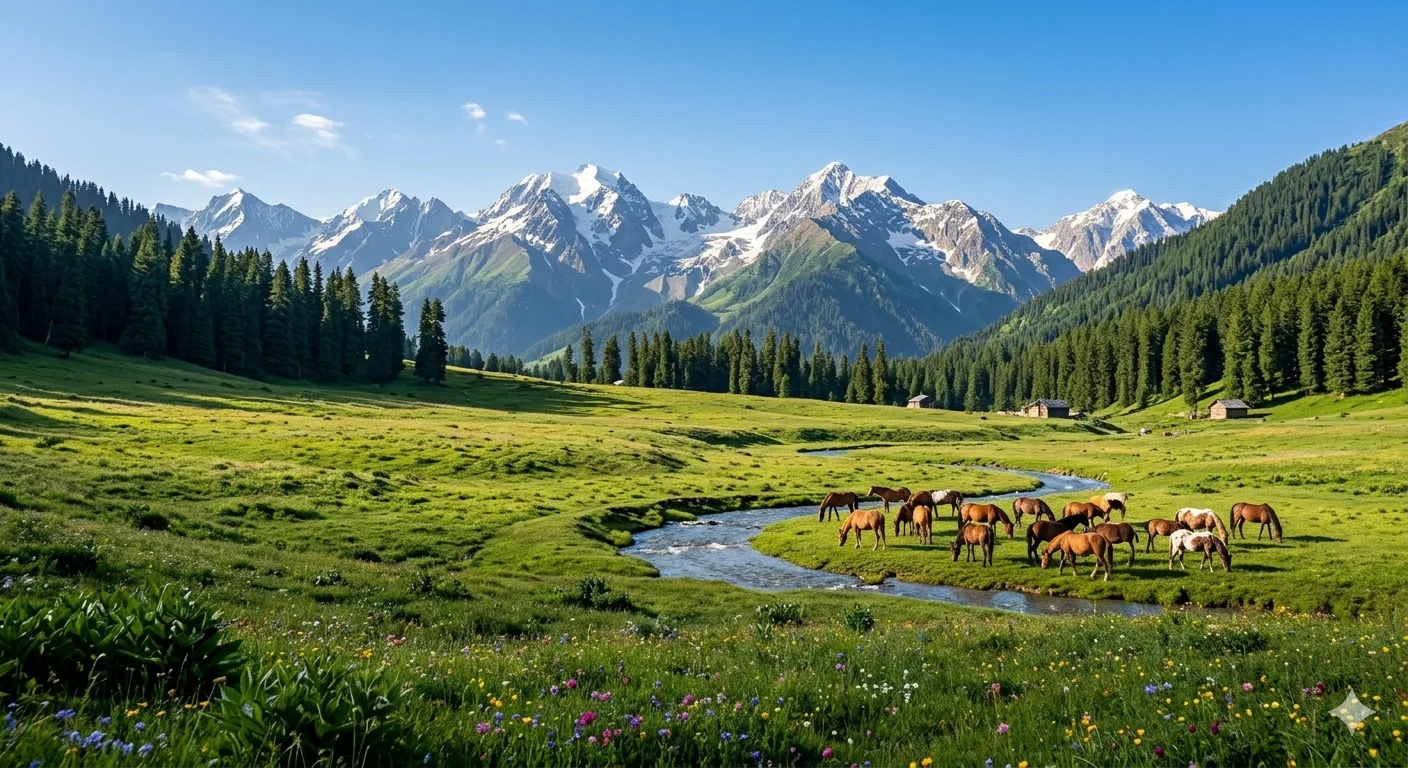
Bangus is known for wide grasslands and mountain surroundings that feel remote and open. Infrastructure and access can be limited, and arrangements may change; check current permissions, road conditions and local guidance before making plans. It is a destination for travellers who value nature and are willing to trade convenience for a more exploratory experience.
Wular Lake and Manasbal Lake
Wular Lake is a vast freshwater landscape associated with birdlife and fishing communities, while Manasbal Lake is appreciated for its quieter waters and scenic surroundings. Both offer a different perspective from the houseboat culture of Dal Lake. Visits are best planned with local guidance, particular care for bird habitats and respect for the livelihoods of communities along the shore.
Naranag and the Harmukh Foothills
Naranag is notable for its historic temple remains and its setting beneath the Harmukh range. The combination of archaeology, mountain scenery and open countryside makes it appealing to travellers interested in both cultural heritage and nature. Longer treks in the surrounding mountains require proper preparation and should not be attempted solely on the strength of a scenic viewpoint.
South Kashmir’s Gardens, Springs and Waterfalls
Kokernag
Kokernag is celebrated for its freshwater springs and landscaped gardens. Water emerges through a green setting that invites a measured stroll, while the surrounding district offers a glimpse of Kashmir beyond its best-known resort towns. It can be paired with other southern destinations when road conditions and travel time allow.
Verinag
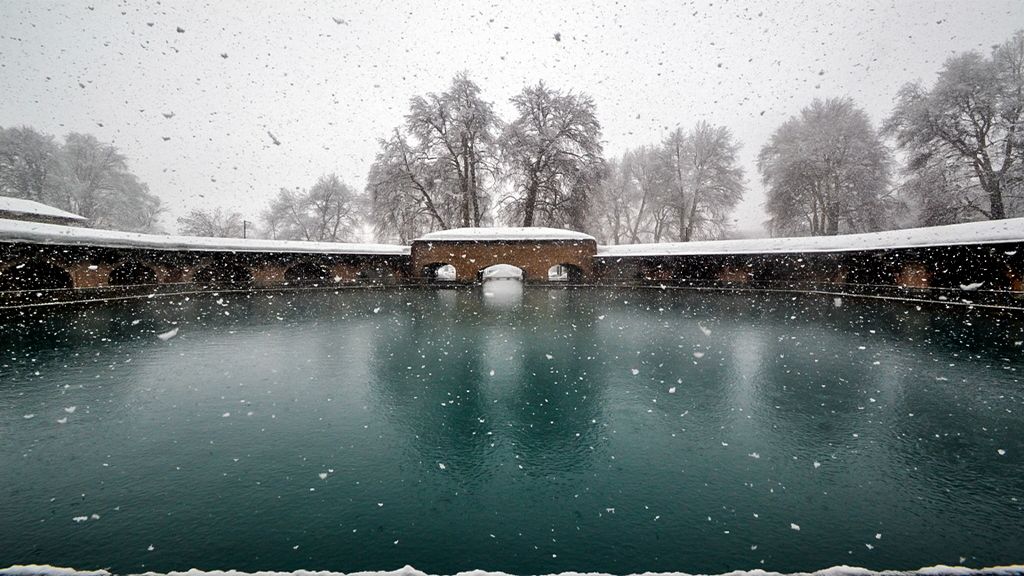
Verinag is associated with the source of the Jhelum River and an elegant spring enclosed by historic stone architecture. The octagonal basin and surrounding arcades reflect Mughal-era landscape design, making this a particularly rewarding stop for visitors interested in history as well as scenery. Take time to notice the symmetry of the stonework and the clarity of the water.
Achabal Gardens
Achabal’s terraced garden, channels and shaded pathways bring together water and formal landscaping in a more intimate setting than Srinagar’s major gardens. It is a worthwhile addition to a southern Kashmir itinerary, especially for travellers who enjoy heritage landscapes and quiet walks.
Aharbal Waterfall
Aharbal is known for the force of the Veshaw River as it drops through a rocky gorge. The waterfall’s sound and spray create a dramatic contrast with the surrounding forested hills. Use designated paths and viewing areas, keep a safe distance from wet rocks and fast water, and take extra care after rain.
Daksum and Sinthan Top
Daksum is a forested valley with streams and mountain air, while Sinthan Top is a high mountain pass known for expansive views when conditions permit. These destinations can add a sense of discovery to a longer journey, but access is particularly sensitive to weather and seasonal road closures. Check the route locally and avoid relying on estimated drive times alone.
Exceptional Stays in Kashmir — Where Hospitality Meets Himalayan Grandeur
The Lalit Grand Palace Srinagar
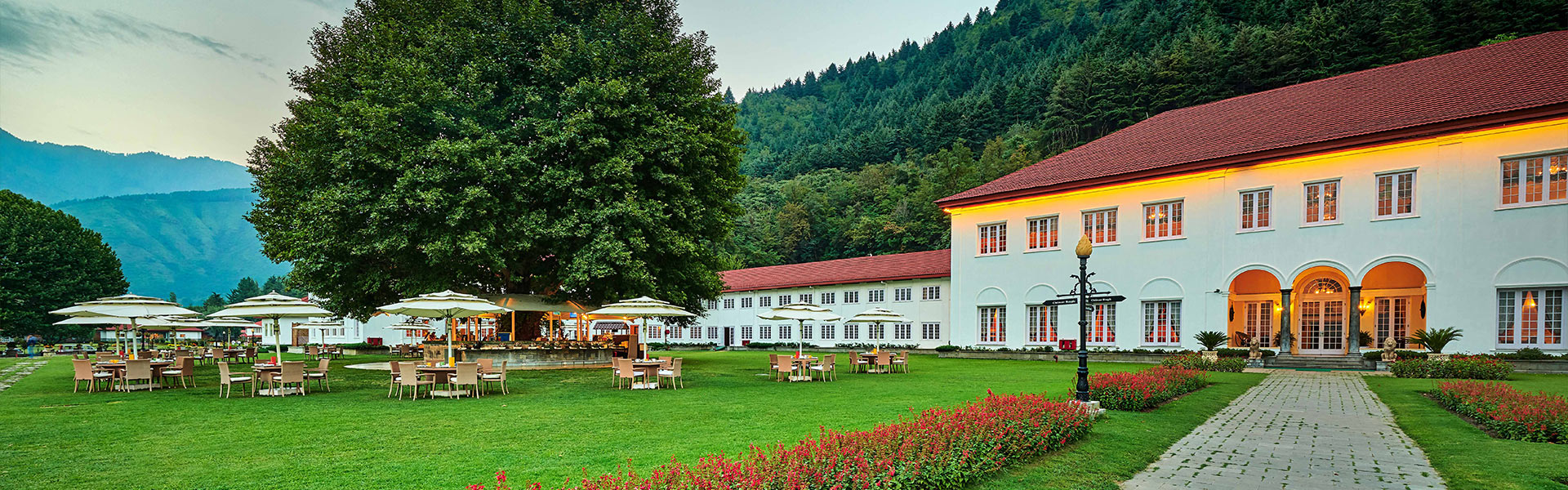
Set within an expansive estate overlooking Dal Lake, The Lalit Grand Palace Srinagar brings a sense of regal heritage to the Kashmiri capital. Once associated with the region’s royal history, the palace combines formal gardens, historic architecture and sweeping views of the surrounding mountains. Its stately atmosphere makes it particularly suited to travellers who appreciate traditional grandeur, spacious surroundings and a stay that feels connected to Srinagar’s past. After a day among the Mughal gardens and the old city’s architectural landmarks, returning to the palace offers a quieter, more secluded dimension to the experience.
Vivanta Dal View, Srinagar
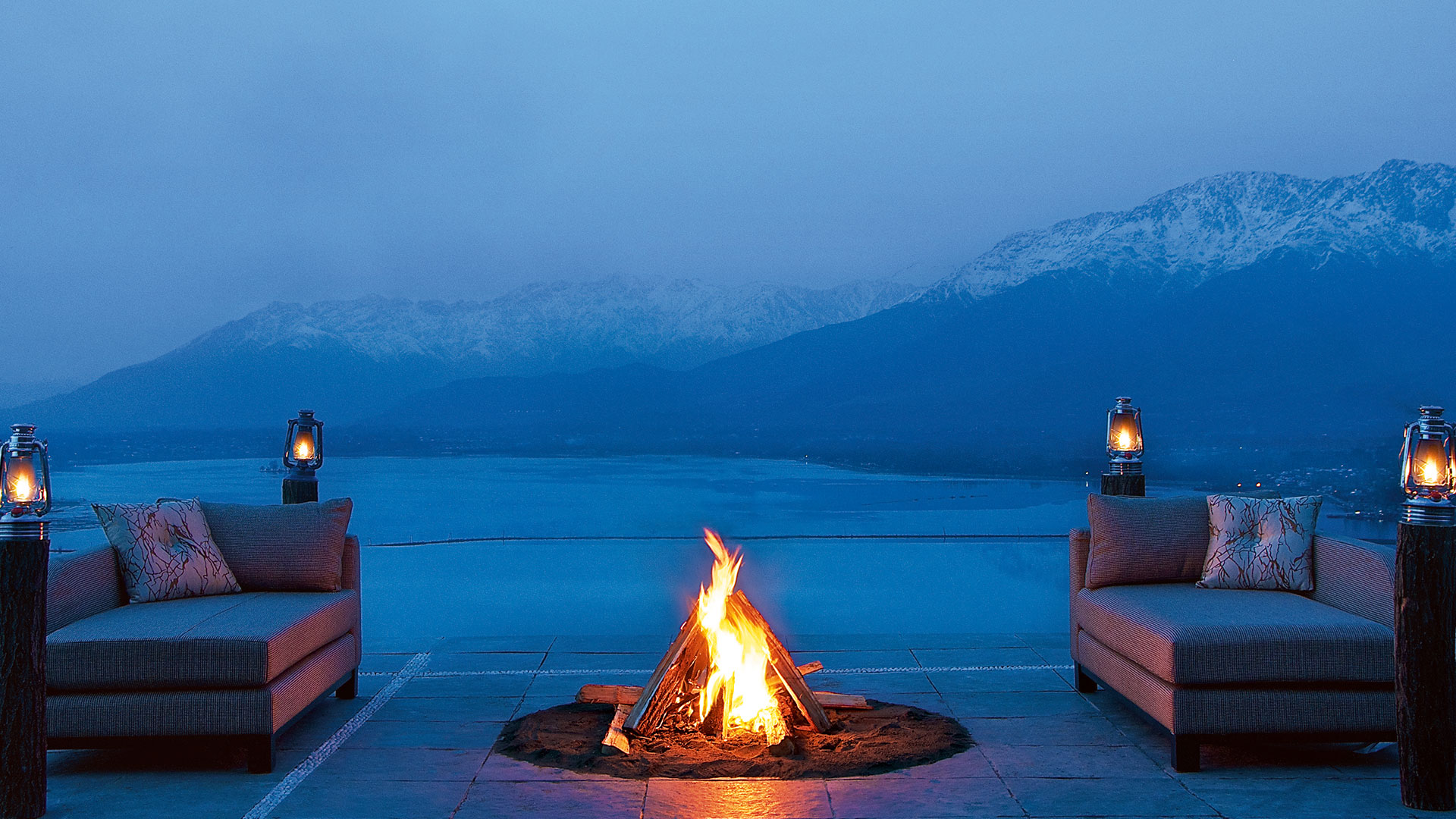
Positioned on the hills above Dal Lake, Vivanta Dal View is distinguished by its elevated outlook across the water and the city beyond. The setting lends itself to unhurried mornings, lingering meals and evenings spent watching the light recede over the mountains. Its contemporary hospitality offers a different expression of luxury from Srinagar’s heritage properties, making it an appealing choice for travellers who value panoramic scenery alongside modern comforts. The hotel also provides a convenient base for exploring the lakes, gardens and cultural landmarks of the capital.
The Khyber Himalayan Resort & Spa, Gulmarg
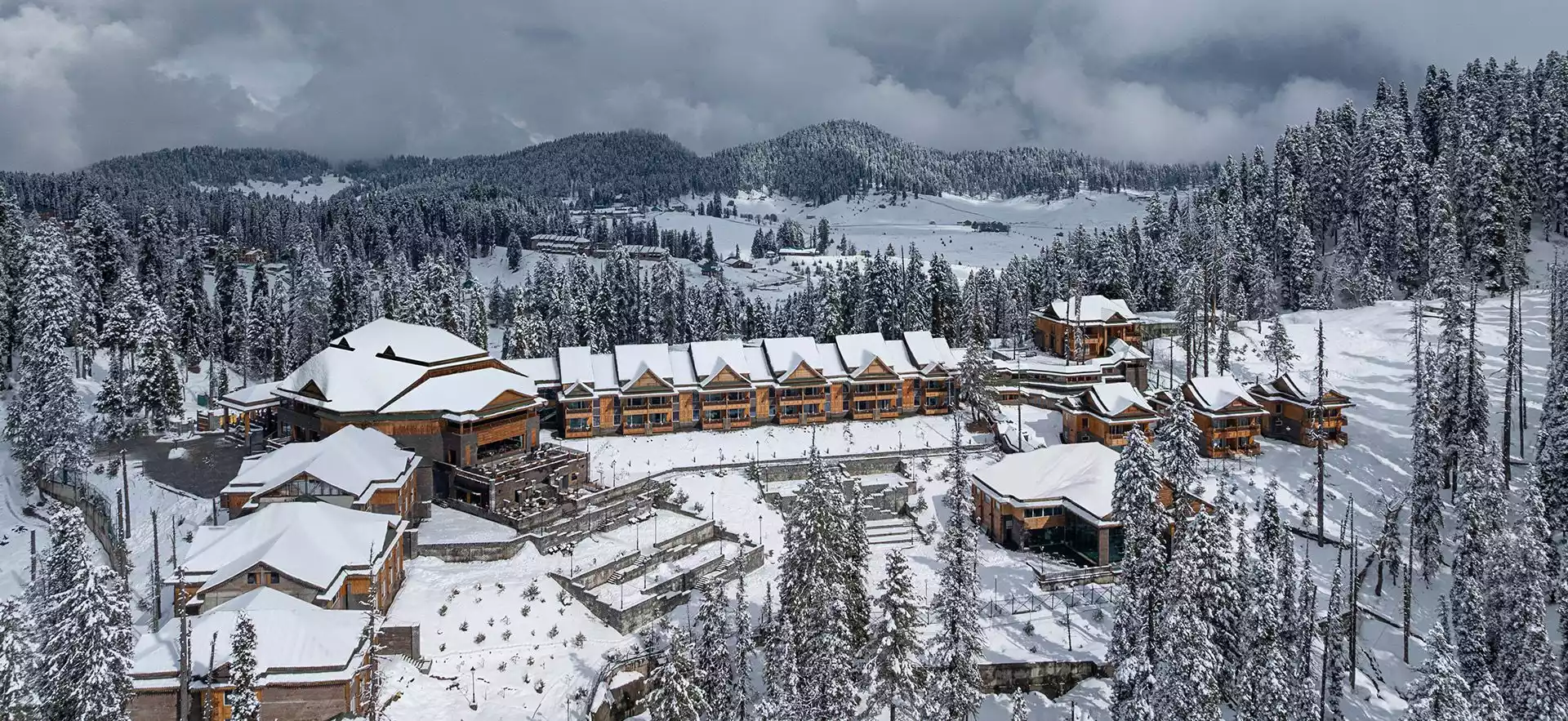
In Gulmarg, The Khyber Himalayan Resort & Spa places the drama of the mountains at the centre of the stay. Surrounded by conifer forests and the high-altitude landscape of the Pir Panjal range, the resort is known for its mountain-facing rooms, refined interiors and spa facilities. During winter, snow transforms the surroundings into an alpine retreat; in warmer months, the forests and meadows create an entirely different atmosphere. For travellers seeking a considered mountain escape, The Khyber combines the appeal of a scenic setting with the comforts of a full-service resort.
Welcomhotel by ITC Hotels, Pine N Peak, Pahalgam
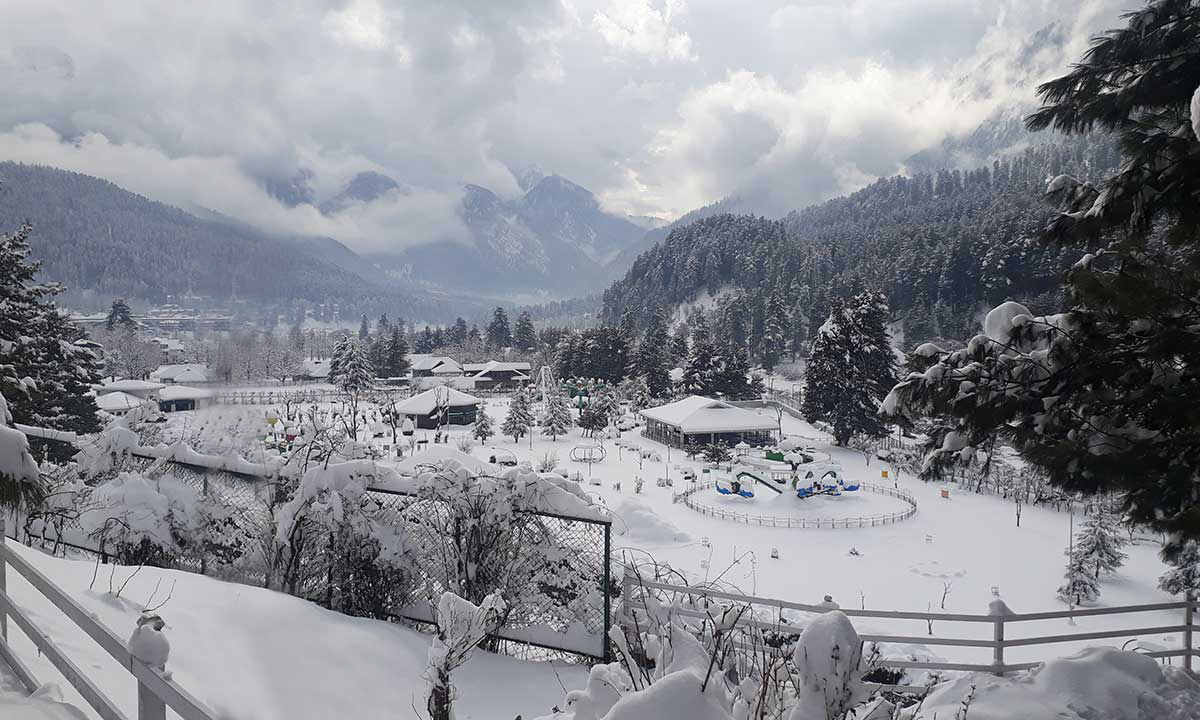
Set above the Lidder Valley, Welcomhotel by ITC Hotels, Pine N Peak offers a mountain retreat shaped by forested slopes and expansive views. Its elevated position lends a sense of distance from the busier parts of Pahalgam, while the surrounding landscape provides a natural backdrop for relaxed days and scenic excursions. The property is well suited to travellers who wish to explore the valley’s rivers, meadows and nearby mountain routes before returning to a comfortable base with views of the Himalayan foothills.
Kashmiri Cuisine and the Pleasure of the Table
Kashmir’s food culture deserves a place in the itinerary. Wazwan, the celebrated multi-course feast, reflects ceremonial hospitality and skilled preparation. Rogan josh, rista, gushtaba, tabak maaz and yakhni are among the dishes often associated with the region, while vegetarian travellers can explore haak, nadru preparations and seasonal produce. Recipes vary between households and restaurants, so ask about ingredients and preparation according to dietary needs.
Kahwa, a fragrant green tea often prepared with saffron, spices and nuts, is a comforting companion to cool mornings and evenings. Seek out reputable local restaurants or arrange a meal through a trusted host. A thoughtful culinary experience is less about ticking off famous dishes and more about understanding the hospitality, ingredients and traditions behind them.
Experiences Worth Building a Journey Around
A Private Shikara Journey
Arrange a shikara ride at a quiet hour and let the lake set the pace. A knowledgeable local boatman can help identify floating gardens, waterside neighbourhoods and the changing light over the mountains. Keep the outing unhurried and agree on the duration and route beforehand.
Heritage, Craft and Local Encounters
A guided walk through Srinagar’s historic quarters, a visit to a craft workshop or an introduction to Kashmiri textiles can bring context to the region’s architecture and material culture. Choose respectful, locally grounded experiences and allow artisans to explain their process without turning a working craft space into a hurried photo stop.
Mountain Days, Designed Around the Season
Gulmarg’s snow activities, Pahalgam’s valley walks, Sonamarg’s alpine scenery and the meadows of Yusmarg or Doodhpathri each suit different conditions. Work with qualified guides for trekking, skiing or remote excursions. Keep alternative plans available for weather changes and avoid promising a particular view, snow condition or activity in advance.
The Best Time to Plan a Kashmir Tour
Spring: March to May
Spring brings blossoms, fresh greenery and the return of colour to gardens and orchards. Srinagar’s gardens are particularly appealing during the flowering season, although exact bloom dates vary each year. Higher mountain routes may remain snowy or inaccessible.
Summer: June to August
Summer is popular for green valleys, mountain excursions and access to many scenic areas. It is a strong period for combining Srinagar with Gulmarg, Pahalgam and Sonamarg, but demand can be high. Reserve preferred accommodation and transport in advance, and check conditions for high-altitude excursions.
Autumn: September to November
Autumn brings golden chinar leaves, clear-feeling days and rich colours across parts of the valley. It can be an especially atmospheric time for heritage gardens, photography and slower stays. Temperatures begin to fall, so warm layers are essential, particularly in the evenings.
Winter: December to February
Winter introduces snow to higher and some valley areas, with Gulmarg especially associated with snow sports when conditions allow. Cold weather can affect roads, flights, heating and activity availability. Choose accommodation with reliable heating and plan flexibly rather than treating snowfall as guaranteed.
Suggested Kashmir Itineraries
A Refined 5-Day Introduction
Days 1–2: Arrive in Srinagar, settle into a lakeside stay, enjoy a shikara ride and explore selected Mughal gardens and heritage sites. Day 3: Travel to Gulmarg for mountain views and season-appropriate activities. Days 4–5: Continue to Pahalgam for riverside scenery and a visit to Aru or Betaab Valley, then return according to departure logistics.
A Leisurely 7-Day Escape
Spend three nights in Srinagar, allowing time for Dal or Nigeen Lake, gardens, old-city heritage and local cuisine. Move to Gulmarg for one or two nights, then continue to Pahalgam for two nights with time for Aru Valley, Betaab Valley and relaxed walks. This pace reduces constant packing and makes room for spontaneous moments.
A 9–10 Day Journey Beyond the Familiar
Begin with Srinagar, then explore Gulmarg, Pahalgam and Sonamarg according to season and access. Add a day for Doodhpathri or Yusmarg, or include southern Kashmir’s Verinag, Kokernag and Achabal for a heritage-and-gardens route. Gurez, Tulail, Bangus, Lolab, Daksum and Sinthan Top are better treated as specialist extensions that require additional time, local planning and current access checks.
Practical Guidance for a Seamless Journey
Most visitors arrive through Srinagar Airport and continue by road with a pre-arranged vehicle. Driving times vary with traffic, weather, checkpoints, roadworks and seasonal restrictions, so avoid planning back-to-back excursions that leave no margin. For longer regional journeys, ask a local operator to confirm the route and realistic timing shortly before departure.
Pack layers throughout the year, including warm clothing for evenings and higher elevations. Comfortable walking shoes, sun protection, a reusable water bottle and any personal medication are useful. For winter travel, confirm heating and road arrangements with accommodation providers. For remote valleys and high-altitude walks, check mobile connectivity, local guidance, permits and emergency arrangements in advance.
Kashmir is a living home, not simply a scenic backdrop. Respect religious sites, ask permission before photographing people, support responsible local businesses and follow conservation guidance around lakes, meadows and rivers. Travel advice, security conditions and access restrictions can change; consult current official advisories and local authorities before setting out, especially for border-adjacent or remote destinations.
Discover Kashmir with Luminara Voyages
The most memorable Kashmir journeys are shaped by balance: time beside the lake, room for mountain air, an afternoon among historic gardens and the freedom to linger when a landscape asks for attention. Whether the vision is a private houseboat stay in Srinagar, a winter retreat in Gulmarg, a riverside escape in Pahalgam or a carefully planned journey into quieter valleys, the region offers many ways to experience the Himalayas with depth and distinction.
Luminara Voyages brings these possibilities together through thoughtfully curated travel planning, considered accommodation choices and experiences selected around each traveller’s pace and interests. Discover Kashmir not as a hurried sequence of stops, but as a journey of lakeside mornings, mountain horizons and enduring hospitality.